
New
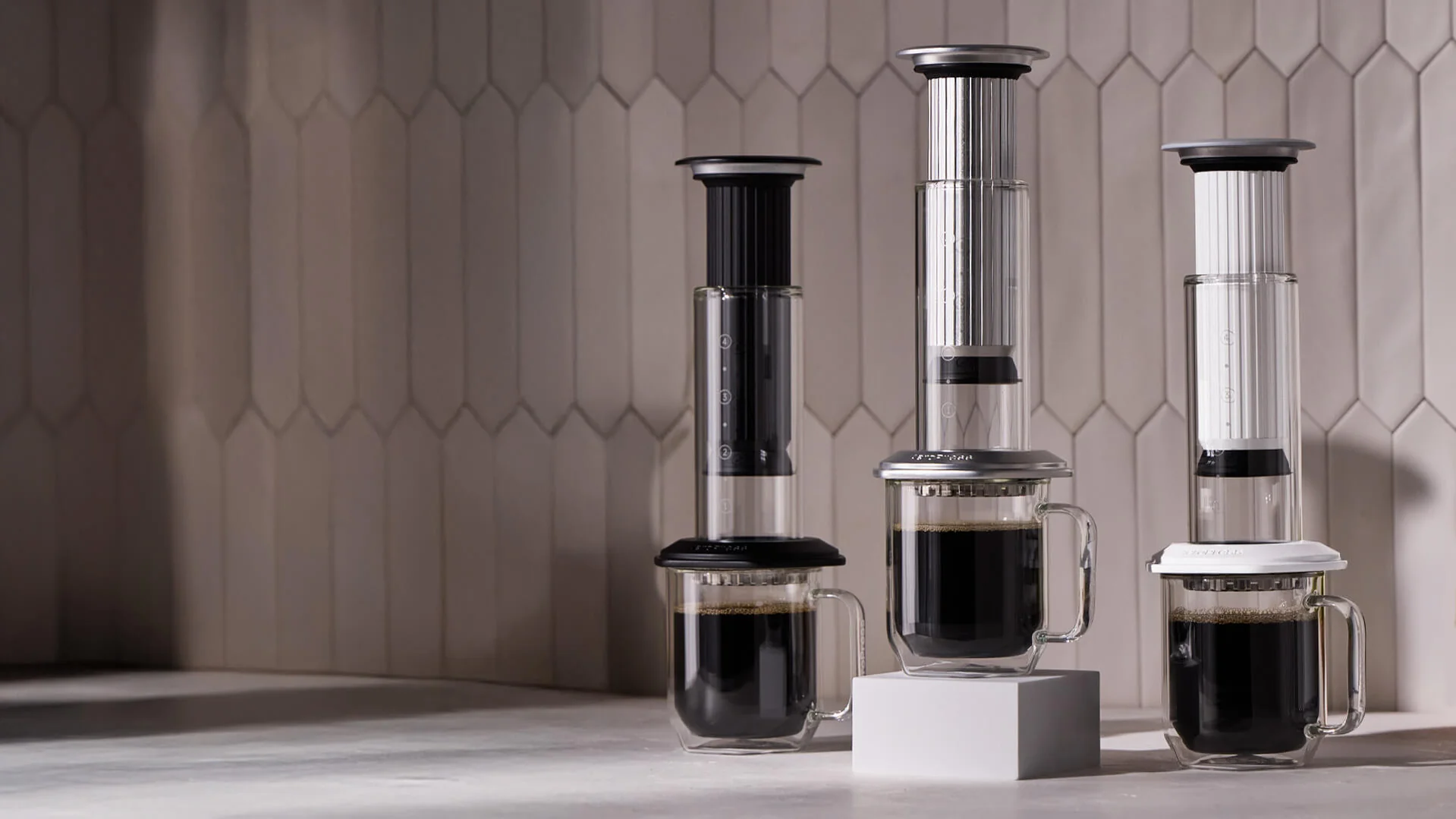
Premium Black & White
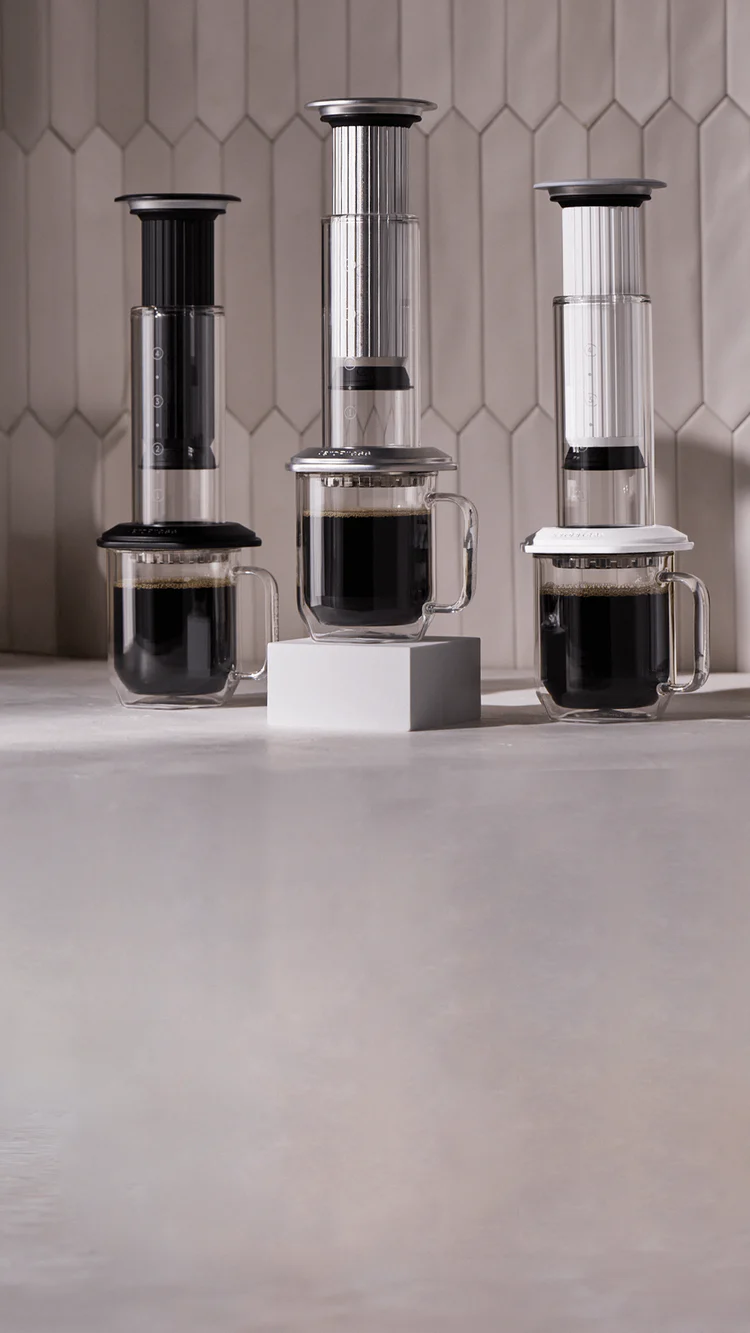
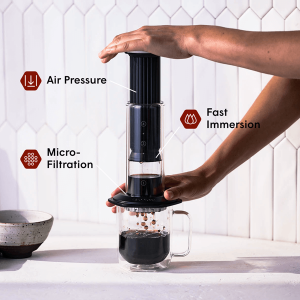
Our iconic 3 in 1 brewer handcrafted in double wall borosilicate glass and metal

Brew Faster. Taste Better.
Sale!
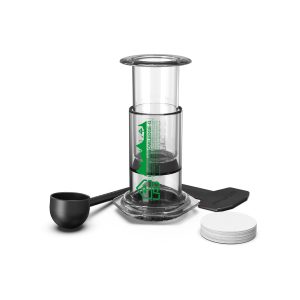

Original price was: $69.95.$14.99Current price is: $14.99.
Sale!
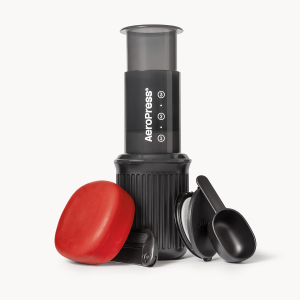
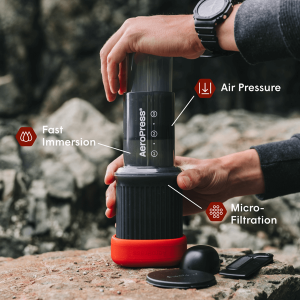
Coffee Makers
Original price was: $49.95.$14.99Current price is: $14.99.
Sale!
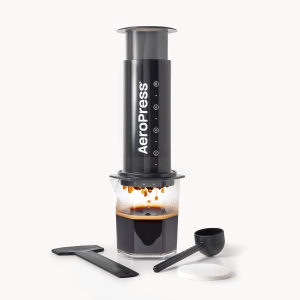
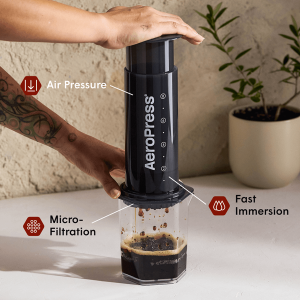
Coffee Makers
Original price was: $79.95.$23.99Current price is: $23.99.
Sale!
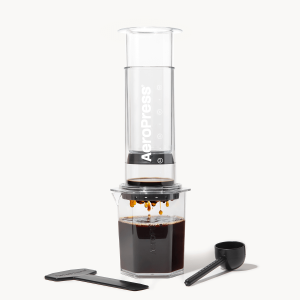
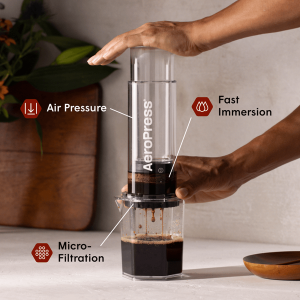
Coffee Makers
Original price was: $89.95.$26.99Current price is: $26.99.
Sale!
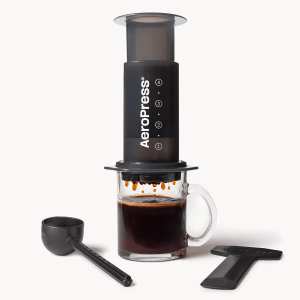
Coffee Makers
Original price was: $39.95.$11.99Current price is: $11.99.
Sale!
Coffee Makers
Original price was: $89.95.$26.99Current price is: $26.99.
Sale!
Coffee Makers
Original price was: $199.95.$59.99Current price is: $59.99.
How Do We Stack Up?
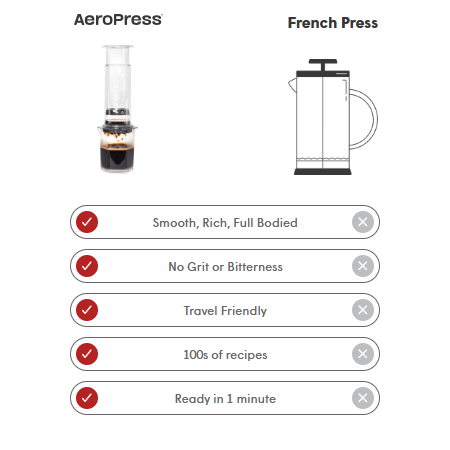
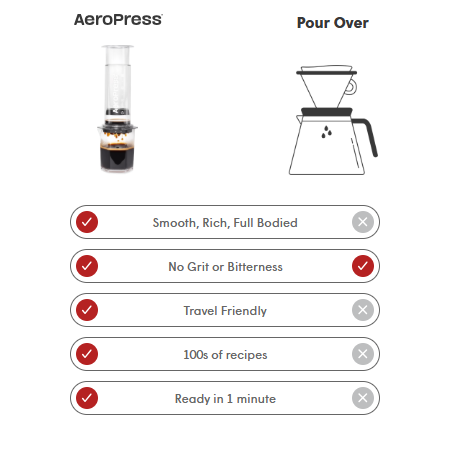
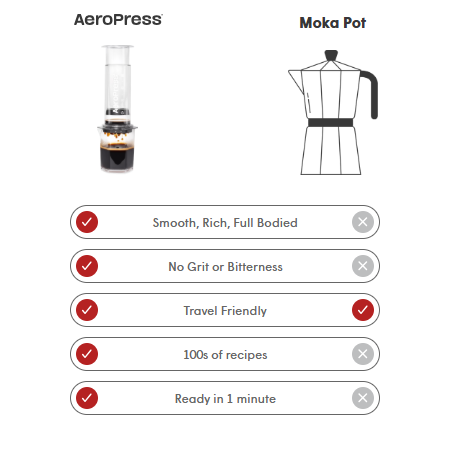
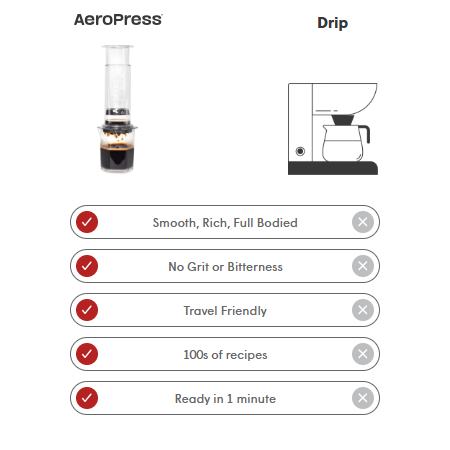
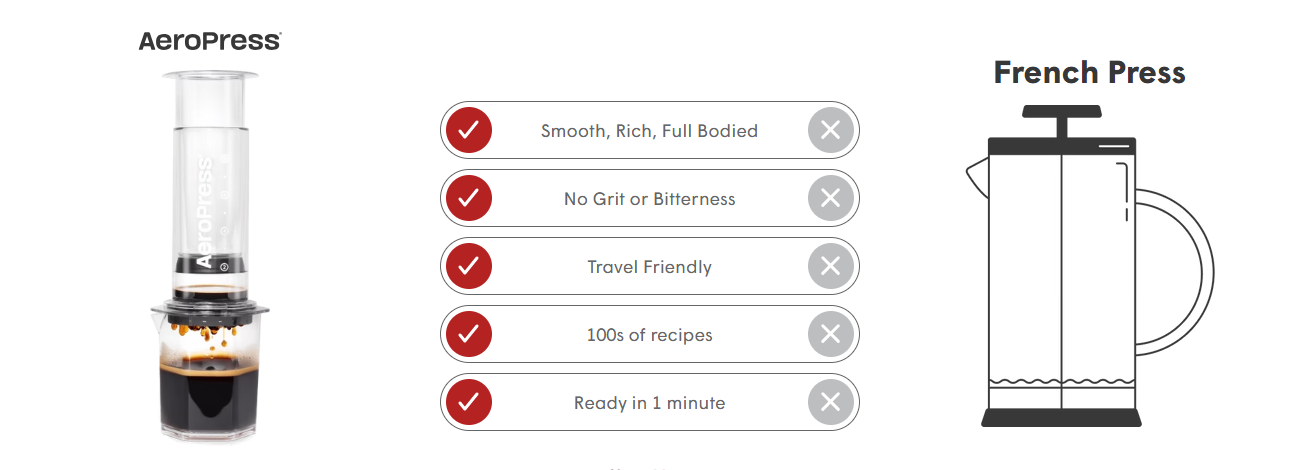
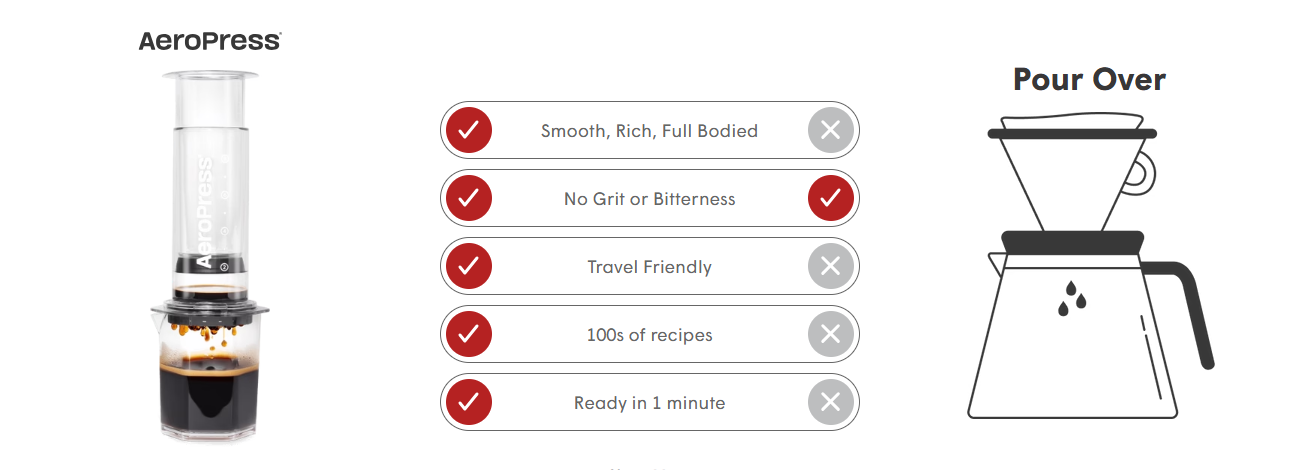
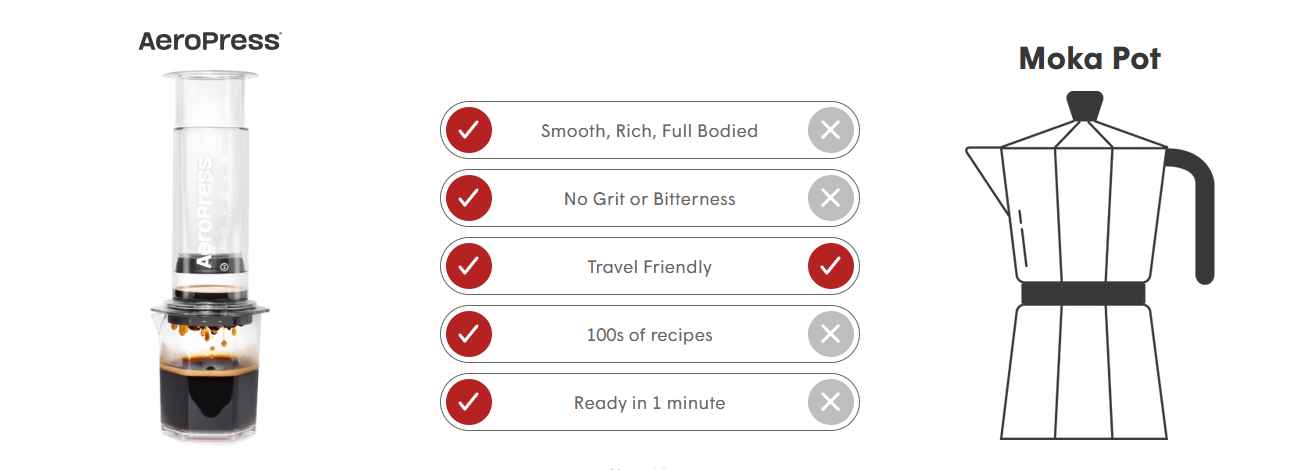
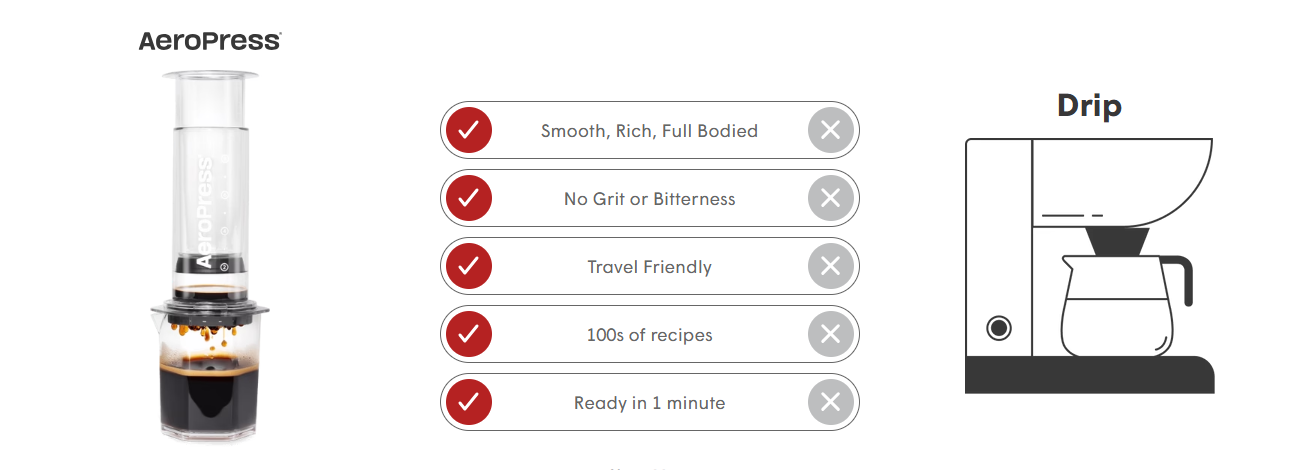
Press for Better Coffee



Complete Your Routine
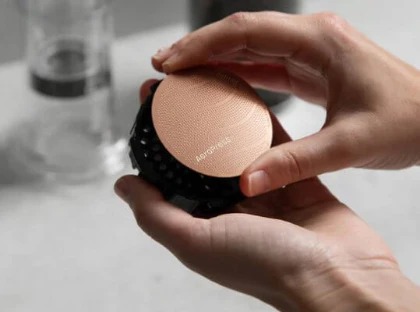
Accessories
All the AeroPress accessories you need to help you find your inner barista.
Coffee
Explore 200+ coffee roasts custom ground to medium-fine for AeroPress.
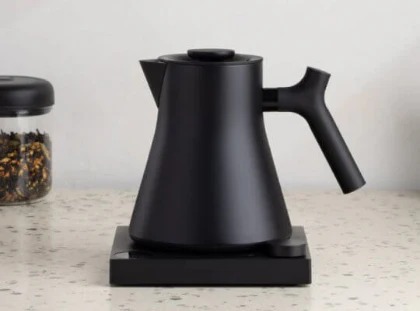
Kettles & Grinders
Our favorite coffee gear that pairs perfectly with your AeroPress coffee maker.


The AeroPress Kitchen
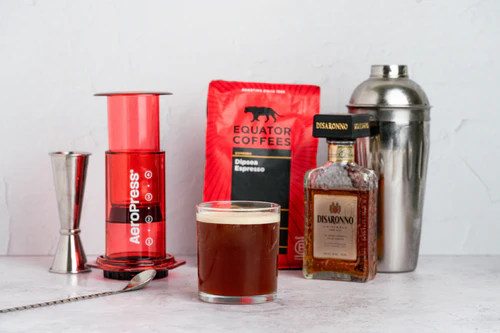
AeroPress Tropical Coffee Amaretto Sour
Coffee • Gin • Yuzu Juice
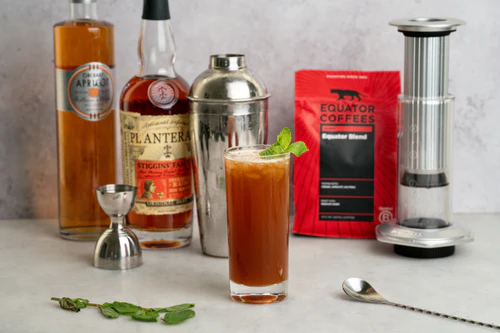
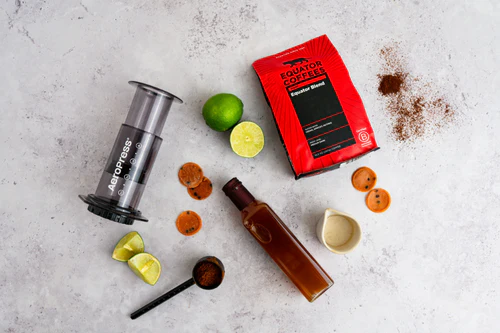
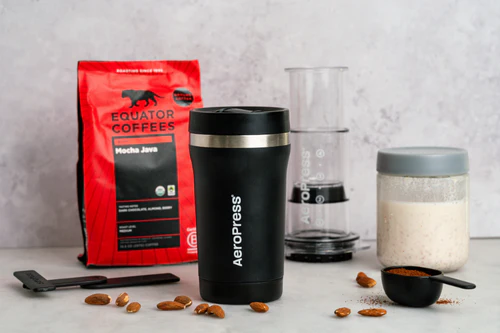
Homemade Almond Milk Cold Brew with AeroPress Go Plus
Coffee • Almond Milk • Ice

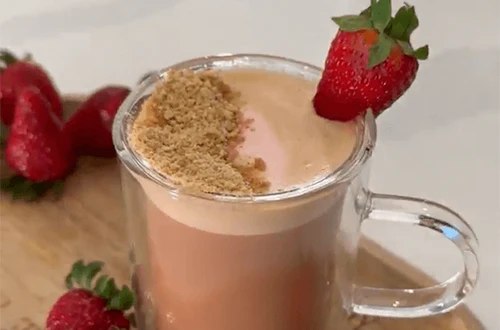
AeroPress Strawberry Latte
Coffee • Strawberry • Milk
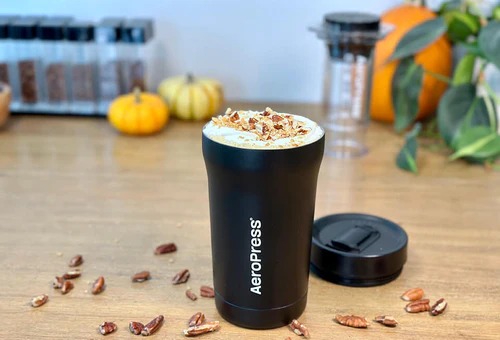
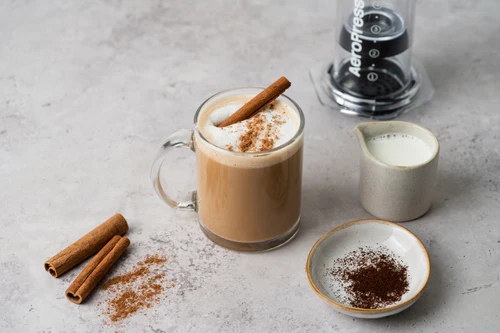
Maple Pecan AeroPress Latte
Coffee • Pecan • Milk
Baratza Vario W+ with AeroPress
Coffee • Water
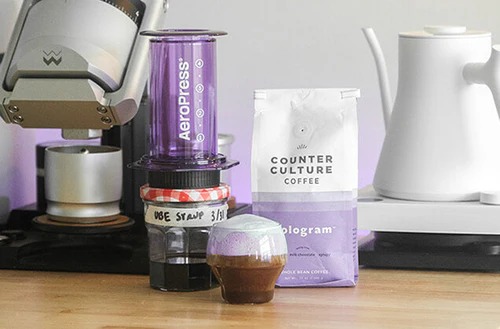
Ube Einspänner AeroPress Latte
Coffee • Ube Extract • Cream
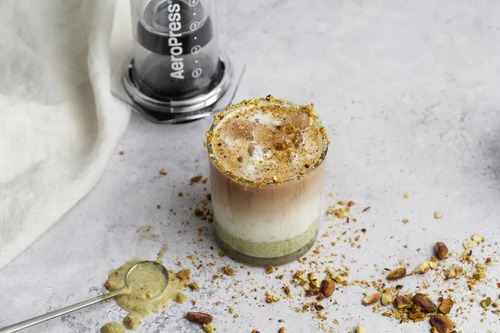
AeroPress Pistachio Honey Iced Latte
Coffee • Pistachio • Milk
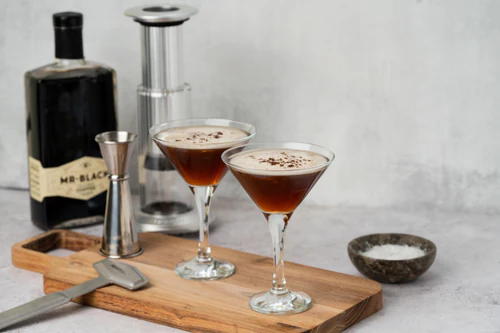
Espresso Martini with Tequila and Salted Caramel
Coffee • Tequila • Caramel
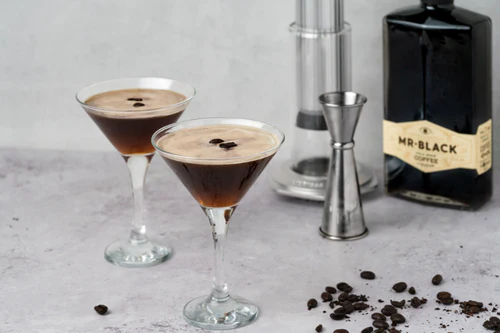
Espresso Martini with Vanilla Recipe
Coffee • Vodka • Vanilla
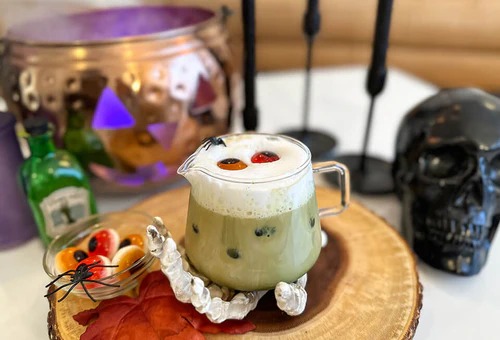
AeroPress Iced Boo-Berry Matcha Latte Recipe
Coffee • Matcha • Milk
Experience Aeroprass


Classic Recommendation.
The Art and Science of the Daily Brew
The preparation of one’s morning beverage is a ritual that transcends mere caffeine delivery; it is a moment of focused creation, a small, delightful ceremony performed before the demands of the day begin. The device at the center of this ritual—the automatic home brewing apparatus—is more than a countertop appliance; it is a gateway to sensory pleasure, a blend of meticulous engineering and design aesthetics. Understanding its operation and appreciating the nuances it facilitates can elevate the experience from functional necessity to genuine passion.
At its core, the operation relies on a simple yet elegant physical principle: the controlled interaction of heated water with ground plant material. Water is heated to a precise temperature range, often hovering near the ideal for optimal extraction. This temperature is crucial. If the water is too cool, the resulting liquid will taste weak and sour, as the desirable flavor compounds are not fully released. If it is too hot, the liquid can become bitter and overly extracted, dissolving unwanted, acrid elements from the grounds. The best brewing devices maintain thermal stability throughout the process, ensuring consistent quality from the first drop to the last.
The mechanism by which the hot water meets the grounds varies across different styles of these appliances. In one popular format, water is dripped or sprayed over a bed of grounds contained within a paper or permanent filter. Gravity then pulls the extracted liquid into a carafe below. The design of the showerhead, which distributes the water, significantly impacts the quality of the final product. A superior system employs a wide, multi-port head to saturate the grounds evenly, promoting a uniform extraction. Uneven wetting, known as channeling, is a common flaw in lesser-designed systems, leading to a mix of under- and over-extracted flavors.
Another sophisticated style utilizes pressure. These devices force water through a tightly packed “puck” of finely milled grounds at high force, producing a concentrated, intense beverage crowned with a layer of velvety foam. This method requires a high degree of precision in both the device’s pressure output and the preparation of the raw material. The consistency of the grind, the tamp (the force used to press the grounds), and the water temperature must all harmonize perfectly to achieve the characteristic depth of flavor and texture. This style of preparation is often seen as the pinnacle of home brewing, demanding more user interaction and skill but rewarding it with an unparalleled intensity.
For those who prefer a more hands-on approach, there are non-electric counterparts that emphasize immersion. These glass or metal cylinders allow the grounds and hot water to steep together for a set duration before the solids are separated from the liquid by a fine-mesh screen. This prolonged contact time results in a full-bodied, rich beverage with a noticeable presence of fine sediment, contributing to a heavier mouthfeel that many enthusiasts cherish. While these require the user to heat the water separately, the simplicity of the extraction process offers excellent control over the steeping time, a vital parameter for customizing the final taste.
In modern domestic environments, these brewing systems often feature advanced programming capabilities. Timers allow users to preset the start of the cycle, ensuring that a freshly prepared liquid is ready the moment they wake up. Integrated grinding systems are also common, enabling users to go from whole, roasted seeds to a prepared beverage in a single, automated process. These integrated features speak to the evolving role of the appliance—moving beyond a simple utility to become a sophisticated, programmable part of the daily routine. The choice of apparatus ultimately dictates the flavor profile and texture of the final liquid, and the conscientious user understands that selecting the right one is the first, and most critical, step in the pursuit of the perfect daily draught. It is an investment in consistency, quality, and the quiet pleasure of a well-executed brew.